
Are Collagen Pet Chews the Healthier Rawhide-Free Choice for Modern Dogs?
Many dog treats look natural, but some are hard to digest[^1]. I see buyers lose trust when a chew feels risky, plain, or low value.
I see collagen pet chews as a stronger rawhide-free choice because they are chewy, digestible, high in protein, low in fat[^2], and easy to coat with real chicken or beef for better taste. They also help brands answer demand for natural dental chews and daily pet wellness[^3].
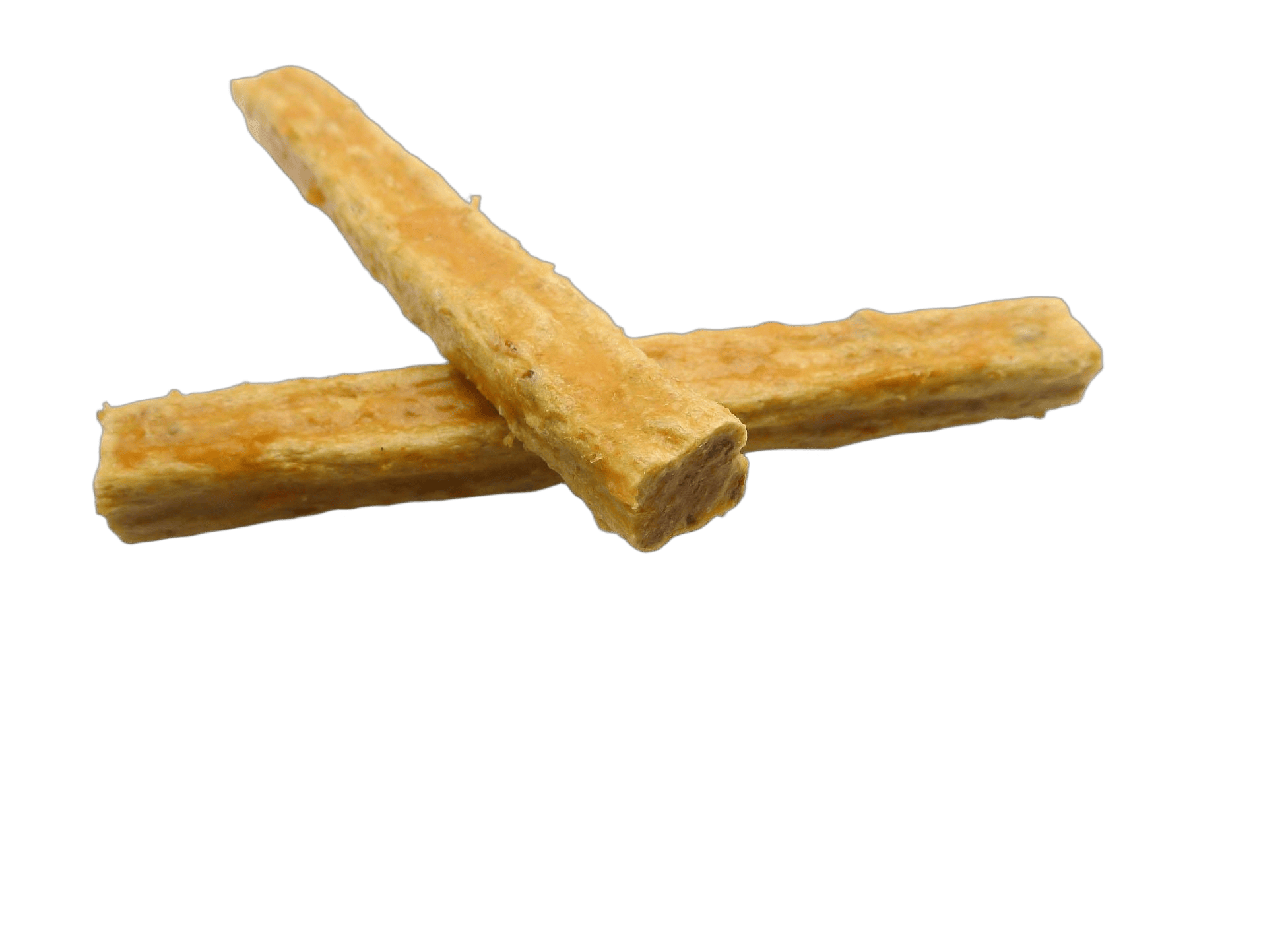
I have worked with pet chew buyers who want one product to do many jobs. They want a chew that looks clean, smells good, lasts long, and fits export rules. I also see pet owners ask more questions than before. They read labels. They compare rawhide-free claims. They want high protein, low fat, grain-free, and easy digestion. This is why I pay close attention to collagen-based chews with chicken or beef coating. This category is not only a treat. It is a product that connects health, chewing fun, dental care, and repeat sales. If I were building a new pet snack line today, I would put collagen chews near the center of the range, not at the edge.
Why Do I See Collagen as a Better Base Than Traditional Rawhide?
Rawhide can worry pet owners because it may feel too hard and hard to digest.[^4] I see collagen solve this fear with a softer chew story.
I choose collagen as a chew base because it offers a rawhide-free position, better digestibility, a chewy texture, and a natural link to joint, skin, and coat support[^5].
What Changes When I Replace Rawhide?
I see the first change in the product story. Rawhide is known, but it also carries concern in many markets. Collagen gives me a cleaner message. I can explain that the chew is rich in collagen, high in protein, low in fat, and easier to digest. This matters when I sell to Europe, the UK, France, Germany, the Netherlands, and other markets where pet owners read every front-pack claim.
I also see a change in texture. A collagen chew is firm enough for chewing, but it softens during gnawing. This helps reduce the hard-bite feeling that some rawhide products have. I still design each product by size and dog weight, but the base gives me a better starting point.
| Feature I Check | Traditional Rawhide | Collagen Chew Base |
|---|---|---|
| Main buyer concern | Hardness and digestion | Easier digestion story |
| Texture | Often very hard | Chewy and flexible |
| Label value | Common and old | Rawhide-free and modern |
| Health angle | Limited | Collagen support story |
| Market fit | Price-focused | Health-focused and premium |
I do not treat collagen as magic. I treat it as a better material for today’s buyer. It helps me build a product that feels safer, cleaner, and more modern.
How Does Real Chicken or Beef Coating Make Dogs Want the Chew?
A healthy chew can still fail if dogs ignore it. I have seen plain chews sit untouched because the smell is too weak.
I use real chicken or beef coating because aroma drives first interest[^6], meat taste drives chewing, and strong acceptance drives repeat purchase for retailers and importers.
Why Does Palatability Matter So Much?
I see palatability as the bridge between a good formula and a successful product. A collagen base gives the chew structure. The meat coating gives the dog a reason to start. When I use chicken breast powder, chicken paste, beef flavor, roasting, or smoking, I create a stronger first smell. Dogs react fast to that smell.[^7] Owners also notice that reaction. This makes the product feel worth buying again.
A plain chew may be healthy, but it may not create excitement. A chicken-coated collagen stick gives both sides something useful. The inside gives chewing time. The outside gives taste. The look also matters. A meat-coated surface can look like a real meat strip, while the inside can show a clean white or translucent collagen base.
| Coating Choice | Main Benefit I See | Best Use |
|---|---|---|
| Chicken breast powder | Clean protein image | Premium daily treats |
| Chicken meat paste | Stronger meat look | High palatability items |
| Beef flavor layer | Rich smell | Medium and large dogs |
| Smoked finish | Strong aroma | Shelf display impact |
| Roasted finish | Warm meat image | Gift packs and retail bags |
I use meat coating because I want the chew to pass the dog test first. If the dog loves it, the owner remembers it. If the owner remembers it, the retailer can sell it again.
Which Collagen Chew Shapes Should I Choose for Different Dogs and Channels?
A good formula is not enough when every dog chews differently. I see shape decide safety, chewing time, price point, and shelf appeal.
I choose collagen chew shapes by dog size, chewing strength, pack style, and sales channel. Long sticks, braids, butterflies, ears, and donuts each solve a different market need.
How Do I Match Shape With Use?
I like to build a product line with clear roles. I do not use one shape for every buyer. I use long sticks when I need a strong volume item. A 12–15 cm collagen long stick works well for medium and large dogs. It gives longer chewing time and a good cost structure. It is also easy for importers to explain.
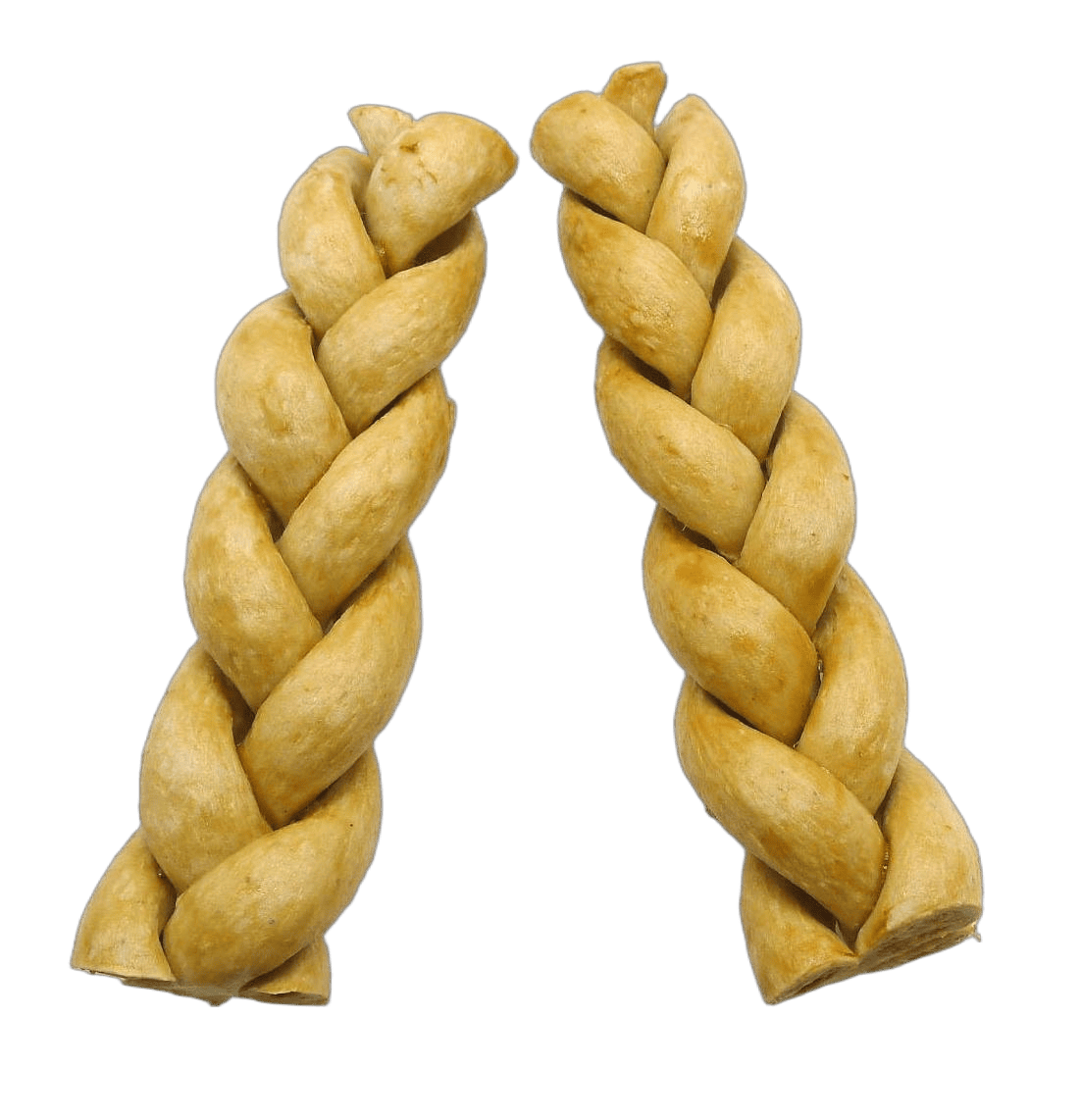
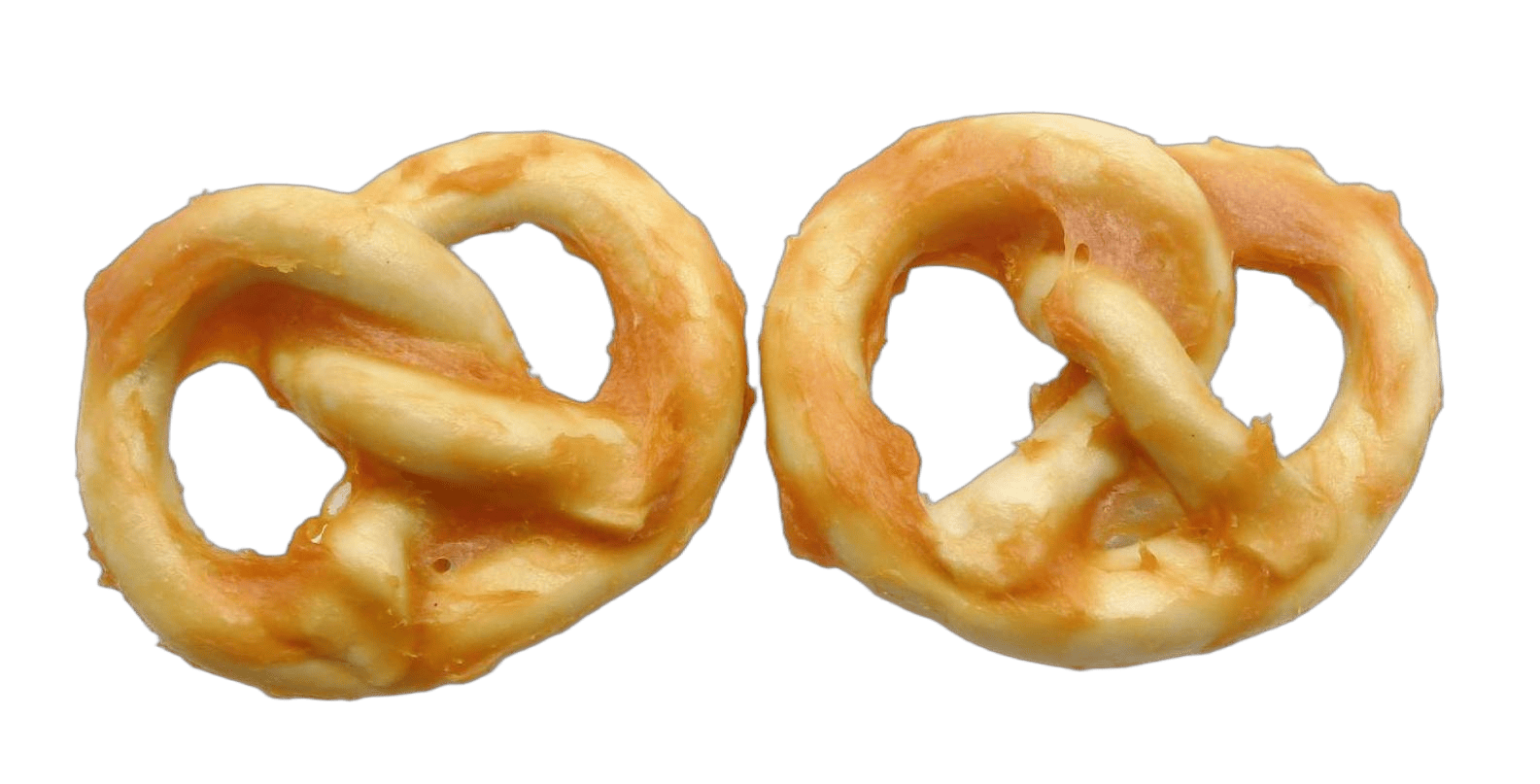
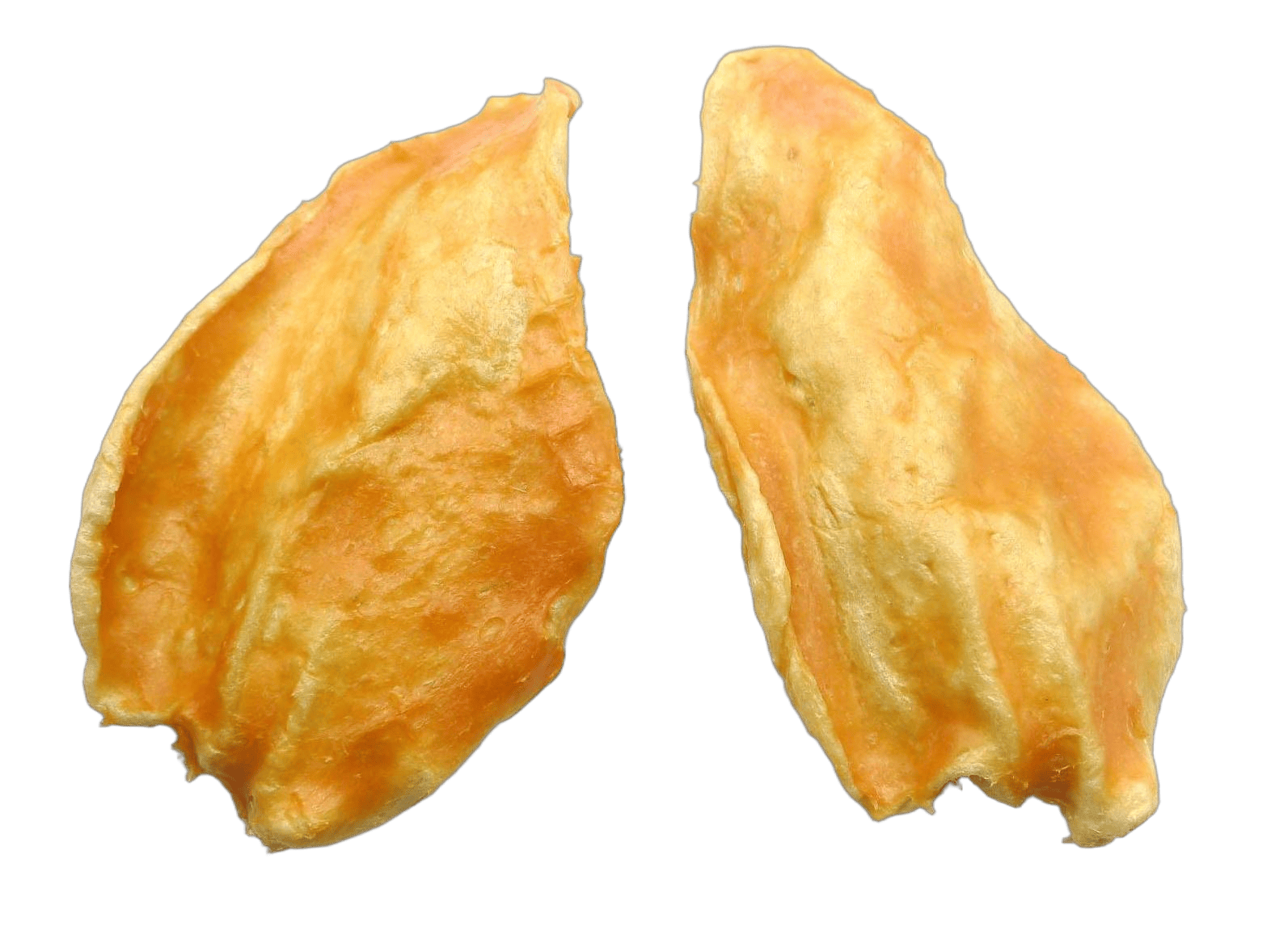
I use braids when I want a more premium look. A beef collagen braid has a 3D structure. It feels more durable. It also reduces the chance of fast swallowing because the shape is less flat and more textured. I use butterfly chews for small dogs, gifts, or training rewards. The shape looks cute, so it works well for single packs and display boxes. I use large ears or donuts when I want a big-bite feeling for larger dogs.
| Shape I Offer | Dog Size | Main Selling Point | Channel Fit |
|---|---|---|---|
| Collagen Long Stick | Medium to large | Long chewing and high value | Supermarket and online |
| Beef Collagen Braid | Medium to large | Premium, durable, textured | Pet specialty stores |
| Collagen Butterfly | Small to medium | Cute shape and reward use | Gift pack and trial pack |
| Large Ear Shape | Large | Natural big-chew feeling | Bulk bags and club stores |
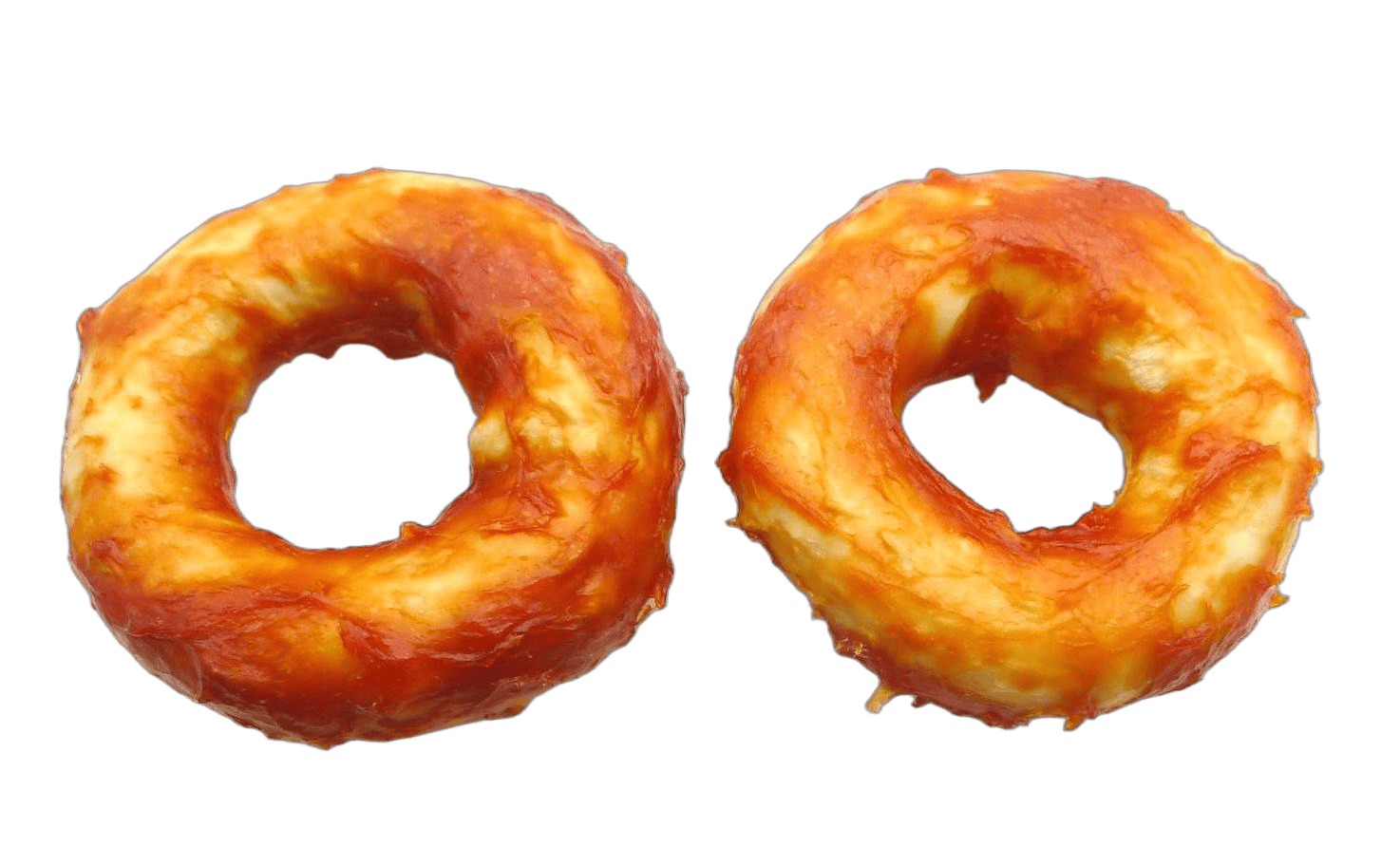
| Donut Shape | Medium to large | Ring design and fun chewing | Premium retail and e-commerce |
I also think about dental action. A textured surface can rub against teeth during chewing. This can help reduce plaque build-up as part of daily care.[^8] I do not present the chew as a medical product. I present it as a simple daily chewing tool with dental value, energy release, and a better snack experience.
How Do I Make Collagen Pet Chews Ready for Export Markets?
A nice chew can still fail if quality is not stable. I have seen buyers worry about moisture, color, weight, documents, and shelf life.
I make collagen chews export-ready by controlling moisture, shape, weight, baking, ingredients, labeling claims, and certification support for EU and global buyers.
What Quality Points Do I Control First?
I start with moisture because it affects shelf life and shipping risk[^9]. For collagen chews, I usually control moisture around 12% to 18%[^10], based on product type and buyer needs. This helps the product stay stable during sea freight. I also use mold forming and standard baking to keep shape, weight, and color consistent. This consistency matters to retailers because every bag must look the same.
I also care about clean formulation. I avoid glycerin, artificial colors, and added sugar when the buyer wants a clean-label range. I focus on core ingredients such as chicken breast and beef collagen. This helps me build a clearer label story. I also know that European buyers often ask for rawhide-free, grain-free, highly digestible, high-protein, and low-fat claims.
| Export Point I Check | Why It Matters |
|---|---|
| Moisture control | It supports shelf life and sea freight |
| Uniform size | It reduces complaints and pack variation |
| Standard baking | It improves texture and color control |
| No glycerin option | It supports clean-label positioning |
| No artificial color | It fits natural market demand |
| Traceable ingredients | It builds buyer trust |
| Certification support | It helps import approval and retail entry |
I also prepare for BRCGS, IFS, HACCP, and EU registration needs[^11] when the buyer requires them. I see documents as part of the product. A good chew without documents is not ready for serious export business.
What Market Trends Make Collagen Chews a Strong Category Now?
Pet owners want natural treats, but they also want function. I see this shift create space for collagen chews with meat coating.
I see the strongest trend in rawhide-free, real meat, grain-free, high-protein, low-fat, and functional pet snacks that support chewing, dental care, and daily wellness.
Where Do I See the Best Growth?
I see strong demand in Europe, especially Germany, France, the UK, and the Netherlands[^12]. I also see good chances in Southeast Asia and South America, including Brazil. In these markets, pet owners often respond well to simple claims. “Made with Real Chicken” is easy to understand. “Rawhide Free” is also easy to understand. These claims help the buyer explain the product in a few seconds.
The fastest-moving products I watch are chicken-coated beef collagen sticks, collagen braids, and collagen donuts. These items work because they combine taste, chew time, and a clear shape story. They are not hard for retailers to place on shelves. They also work well online because the shape and meat coating are easy to show in photos.
| Trend I Track | Product Direction I Recommend |
|---|---|
| Rawhide-free demand | Collagen base chews |
| Real meat preference | Chicken wrapped or coated series |
| Joint care interest | Collagen-rich positioning |
| Gut health interest | Probiotic added options |
| Puppy and senior needs | Softer chew texture options |
| Premium market growth | Organic and clean-label lines |
| Online sales growth | Donut, braid, and visual shapes |
I also see future value in functional upgrades. I would consider joint-care formulas, probiotics, DHA, and organic lines for premium buyers. I would start with chicken-wrapped collagen chews because chicken is easy to accept in many markets. I would then add shape variety and function step by step. This keeps the range clear and easy to sell.
Conclusion
I see collagen pet chews as a strong rawhide-free upgrade because they combine taste, function, export stability, and modern pet owner trust.
[^1]: "In vitro disappearance characteristics of selected categories ... - PMC", https://pmc.ncbi.nlm.nih.gov/articles/PMC4473148/. Veterinary references note that some dog chews, including rawhide-type products, may be incompletely digested and can present choking or gastrointestinal obstruction risks. Evidence role: general_support; source type: institution. Supports: Supports that some dog chews may pose digestion, choking, or gastrointestinal obstruction concerns.. Scope note: This would support the general concern about digestibility, not prove that every product in the category is hard to digest. [^2]: "Collagen Hydrolysates as Nutritional Support in Canine Osteoarthritis", https://pmc.ncbi.nlm.nih.gov/articles/PMC11919810/. Compositional and digestibility studies of collagen-derived ingredients report high protein content and evaluate their digestibility in canine diets or treats. Evidence role: statistic; source type: paper. Supports: Supports collagen as a protein-rich material and, where available, documents digestibility or fat content in collagen-based dog treats.. Scope note: Support may be ingredient-level rather than product-specific unless the cited study tests finished collagen chews. [^3]: "Effects of novel dental chews on oral health outcomes and halitosis ...", https://pmc.ncbi.nlm.nih.gov/articles/PMC7511057/. Pet industry association data and consumer surveys report growth in wellness-oriented pet products and continued owner interest in natural treats and oral-care formats. Evidence role: statistic; source type: institution. Supports: Supports consumer demand for natural pet products, dental treats, or wellness-oriented pet care categories.. Scope note: Market data may address natural pet products or dental treats broadly rather than collagen chews specifically. [^4]: "In vitro disappearance characteristics of selected categories of ...", https://pmc.ncbi.nlm.nih.gov/articles/PMC4473148/. Veterinary and animal-health sources identify rawhide chews as products that may raise concerns about digestibility, choking, and gastrointestinal blockage in dogs. Evidence role: expert_consensus; source type: institution. Supports: Supports that rawhide chews are commonly discussed in relation to digestibility, choking, and blockage concerns.. Scope note: Such sources usually describe potential risks and safe-use considerations, not a quantified risk for every rawhide product. [^5]: "Efficacy of Chondroprotective Food Supplements Based on ... - PMC", https://pmc.ncbi.nlm.nih.gov/articles/PMC8541357/. Canine nutrition studies and reviews describe collagen peptides as sources of amino acids and bioactive peptides investigated for joint, skin, and connective-tissue support. Evidence role: mechanism; source type: paper. Supports: Supports the biological role or studied effects of oral collagen peptides on canine joints, skin, or coat condition.. Scope note: Evidence for hydrolyzed collagen supplements does not automatically prove equivalent effects for all collagen chew formats or dosages. [^6]: "Food and Food-Odor Preferences in Dogs: A Pilot Study - PMC", https://pmc.ncbi.nlm.nih.gov/articles/PMC5863557/. Canine palatability research identifies olfactory cues as important contributors to initial food approach and acceptance in dogs. Evidence role: mechanism; source type: paper. Supports: Supports the role of odor and olfactory cues in canine food selection and palatability.. Scope note: Palatability studies may use complete foods or test diets rather than collagen chews with meat coating. [^7]: "Canine Olfaction: Physiology, Behavior, and Possibilities for ... - PMC", https://pmc.ncbi.nlm.nih.gov/articles/PMC8388720/. Studies of canine olfaction show that dogs are highly sensitive to odor cues, including food-related volatiles that can influence approach and feeding behavior. Evidence role: mechanism; source type: paper. Supports: Supports that dogs have highly developed olfaction and can respond behaviorally to food odors.. Scope note: General olfaction evidence supports the mechanism but does not measure reaction speed for the specific coated chews described. [^8]: "Effects of Edible Treats Containing Ascophyllum nodosum on ... - PMC", https://pmc.ncbi.nlm.nih.gov/articles/PMC6080642/. Veterinary dental sources and controlled studies report that certain tested dental chews can reduce plaque or calculus accumulation in dogs when used as part of routine oral care. Evidence role: expert_consensus; source type: institution. Supports: Supports that appropriately designed dog dental chews can reduce plaque or calculus when used regularly.. Scope note: This supports the dental-chew category generally; a specific collagen chew would need product testing to substantiate its own plaque-reduction claim. [^9]: "Effects of Temperature on the Microbial Growth and Quality of ... - PMC", https://pmc.ncbi.nlm.nih.gov/articles/PMC11907420/. Food-safety literature explains that moisture content and water activity influence microbial growth, texture stability, and shelf life in dried foods and pet treats. Evidence role: mechanism; source type: education. Supports: Supports the relationship between moisture, water activity, microbial growth, and shelf stability.. Scope note: General food-stability principles may not define the optimal moisture range for a particular collagen chew formulation. [^10]: "Effects of Temperature on the Microbial Growth and Quality of ... - PMC", https://pmc.ncbi.nlm.nih.gov/articles/PMC11907420/. Analytical studies of dried pet treats report moisture-content ranges and discuss their relevance to texture, water activity, and shelf stability. Evidence role: statistic; source type: research. Supports: Supports typical moisture ranges or stability thresholds for dried pet treats or chew products.. Scope note: Unless a source specifically tests collagen chews, it would contextualize the stated range rather than validate the author's exact specification. [^11]: "Approved establishments - ABP - Food Safety - European Commission", https://food.ec.europa.eu/food-safety/animal-products/approved-establishments-abp_en. EU animal by-product rules and recognized food-safety standards require documented controls, including HACCP-based systems and establishment registration or approval for relevant pet food operations. Evidence role: historical_context; source type: government. Supports: Supports that pet food and animal-derived pet treats are subject to safety-management systems and EU registration or approval requirements.. Scope note: Specific certification requirements vary by buyer, product composition, and importing jurisdiction. [^12]: "Germany Humanization of Pets Drives Pet Food Market", https://apps.fas.usda.gov/newgainapi/api/Report/DownloadReportByFileName?fileName=Humanization+of+Pets+Drives+Pet+Food+Market_Berlin_Germany_3-29-2019.pdf. European pet food association statistics show substantial pet populations and pet food markets in Germany, France, the United Kingdom, and the Netherlands. Evidence role: statistic; source type: institution. Supports: Supports the size or strength of pet ownership and pet food markets in the named European countries.. Scope note: Country-level pet food statistics support market potential but may not isolate collagen chew demand.

One Response
Great content! Keep up the good work!